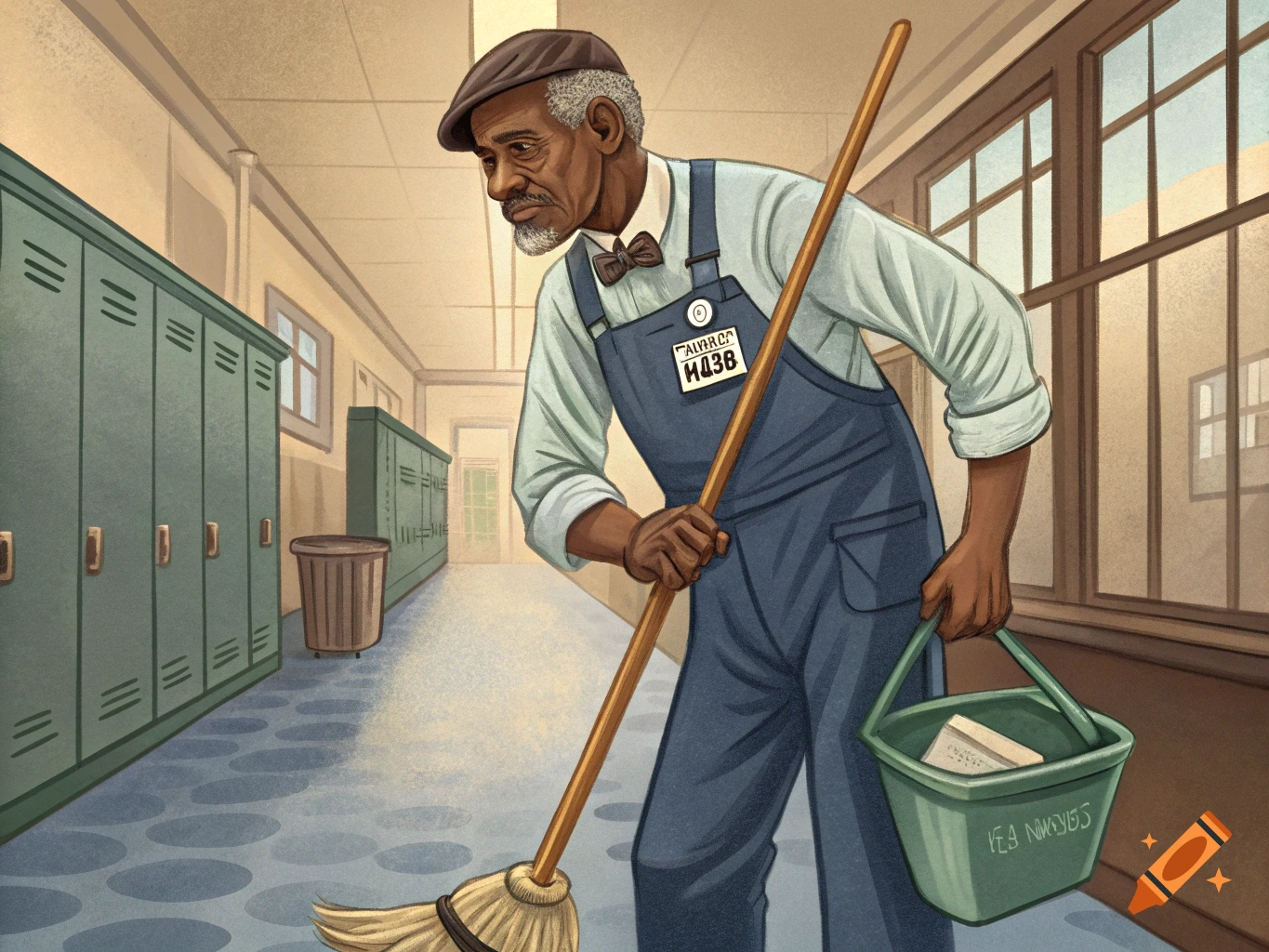
We often associate courage with extraordinary feats: a soldier rescuing comrades under fire, a firefighter rushing into a collapsing building, or a historical figure standing before an oppressive regime. These dramatic narratives dominate our screens and history books, shaping our understanding of bravery. However, if we restrict our definition of courage to these monumental acts, we overlook a profound truth that unfolds around us every day. The truth is that the most enduring lessons of bravery do not come from mythological heroes, but from the quiet, persistent struggles of everyday individuals.
When we examine the lives of those around us—our neighbors, colleagues, teachers, and family members—we begin to understand What Ordinary People Teach Us About Courage. Their stories reveal that bravery is not a rare quality reserved for the chosen few, but a daily practice accessible to everyone. By shifting our focus from the extraordinary to the ordinary, we can find the inspiration and practical wisdom needed to navigate our own challenges with grace and resilience.

Redefining Courage Through Everyday Actions
To appreciate the quiet bravery that surrounds us, we must first dismantle our traditional definitions of what it means to be brave. For centuries, cultural narratives have equated courage with physical prowess and a complete absence of fear. This narrow perspective limits our ability to recognize and cultivate bravery in our own lives.
The Myth of the Fearless Hero
The archetype of the fearless hero is deeply embedded in our collective consciousness. From ancient epics to modern superhero films, we are conditioned to believe that courageous individuals possess an innate immunity to fear. They face danger with unwavering resolve, never hesitating or doubting their path.
However, this portrayal is not only unrealistic; it is psychologically misleading. True courage is not the absence of fear, but the capacity to act in spite of it. When we idealize the fearless hero, we create an unattainable standard. Ordinary people teach us that feeling afraid, anxious, or uncertain does not disqualify us from being brave. In fact, fear is the very prerequisite for courage. Without fear, an action is merely routine or reckless; with fear, it becomes a conscious choice to move forward despite the discomfort.
By debunking the myth of the fearless hero, we validate our own struggles. We realize that it is entirely normal to feel terrified when facing a difficult decision, a major life transition, or an uncertain future. The ordinary heroes among us show that bravery is found in the trembling step forward, not in the absence of the tremble.
Small Acts of Bravery in Daily Life
Once we move past the myth of the fearless hero, we begin to notice the countless small acts of bravery that occur in daily life. These acts rarely make the headlines, yet they form the backbone of a compassionate and functioning society.
Consider the parent who wakes up every morning to care for a chronically ill child, finding the strength to smile and provide comfort despite their own exhaustion and grief. Consider the employee who speaks up in a meeting to point out an ethical oversight, risking their professional standing to do what is right. Or consider the individual struggling with mental health issues who decides to get out of bed, face the day, and seek help.

These are not grand, cinematic gestures, but they require a profound amount of internal strength. They are choices made in the privacy of our own minds and homes. When we pay attention to these moments, we learn that courage is a quiet voice at the end of the day saying, “I will try again tomorrow.” It is found in the willingness to be honest, to make mistakes, and to persist when no one is watching or applauding.
Key Lessons We Learn from Ordinary Courage
By observing the quiet bravery of ordinary people, we gain valuable insights into the human condition. These lessons serve as a roadmap for our own personal growth, offering practical wisdom on how to navigate adversity and contribute positively to the lives of others.
Resilience in the Face of Adversity
One of the most powerful lessons we learn from ordinary courage is the nature of resilience. Resilience is not a passive state of being; it is an active, courageous response to hardship. When life dismantles our plans—through loss, illness, financial instability, or broken relationships—ordinary people demonstrate how to rebuild from the ashes.
Resilience does not mean pretending that everything is fine or suppressing our pain. Instead, it involves acknowledging our suffering while refusing to let it define our future. We see this in the story of the small business owner who loses everything during an economic downturn but chooses to start over, bringing years of hard-won wisdom to a new venture. We see it in the individual who, after experiencing a devastating personal loss, eventually finds the capacity to love and trust again.
These examples teach us that resilience is built incrementally. It is not about making a single, monumental leap over our obstacles, but about taking one small, painful step after another. Ordinary courage shows us that adversity is not the end of our story, but a chapter that tests and refines our inner strength.
Standing Up for Others Quietly
While heroic courage often involves public, dramatic interventions, ordinary courage frequently manifests as quiet advocacy. This is the bravery of standing up for others in ways that may never be widely recognized but make a profound difference to the individual involved.
Quiet advocacy can take many forms:
- A colleague who pulls a coworker aside to offer support after a difficult interaction.
- A neighbor who consistently checks on an elderly resident, ensuring they have groceries and companionship.
- A teacher who advocates for a struggling student behind closed doors, refusing to let them slip through the cracks of the educational system.
- An individual who gently but firmly challenges a biased remark made in a social setting.
These actions require us to step out of our comfort zones and risk social discomfort or disapproval. They remind us that standing up for others is not always about leading a movement; often, it is about ensuring that the person standing next to us feels seen, valued, and protected. This quiet, interpersonal bravery is what builds trust and solidarity within our communities.
How to Cultivate Everyday Courage in Yourself
Understanding the value of ordinary courage is only the first step; the true challenge lies in cultivating this quality within ourselves. Fortunately, because bravery is a practice rather than an innate trait, we can develop it over time through deliberate effort and self-reflection.
Embracing Vulnerability as a Strength
For many years, vulnerability was viewed as a weakness—a sign of fragility or a lack of resolve. However, contemporary psychological research, popularized by scholars like Brené Brown, has reframed vulnerability as the very foundation of courage.
To be courageous, we must be willing to show up and be seen, even when we cannot control the outcome. This requires us to embrace vulnerability. Whether we are admitting that we need help, apologizing for a mistake, sharing an unfinished creative project, or expressing our true feelings to someone we care about, we are stepping into the arena of vulnerability.
| Aspect of Vulnerability | Traditional View | Courageous View |
|---|---|---|
| Asking for Help | A sign of incompetence or weakness. | An acknowledgment of limitations and a step toward growth. |
| Admitting Mistakes | A failure that damages credibility. | An act of honesty that builds trust and integrity. |
| Expressing Feelings | A risk of rejection and emotional exposure. | A necessary step for authentic connection. |
| Trying New Things | A risk of public failure. | An opportunity to learn and expand capabilities. |
When we accept that vulnerability is not weakness but a testament to our strength, we unlock a deeper level of everyday courage. We stop waiting for perfect conditions or guaranteed success and start engaging with life more fully and authentically.
Taking Small Steps Toward Change
We do not build courage by waiting for a crisis to test us. Instead, we cultivate it through the daily decisions we make. Just as physical muscles grow stronger through consistent exercise, our “courage muscle” develops when we challenge ourselves in small, manageable ways.
If you wish to become more courageous, start by identifying areas in your life where you feel stuck or hesitant. Choose one small action that pushes you slightly outside your comfort zone:
- Initiate a difficult conversation: Instead of avoiding a minor conflict, address it calmly and directly.
- Set a boundary: Practice saying “no” to demands on your time that compromise your well-being.
- Learn a new skill: Put yourself in the position of a beginner, accepting the awkwardness and potential failure that comes with learning.
- Share your perspective: Speak up in a meeting or social gathering, even if your opinion differs from the majority.

By repeatedly taking these small steps, you build confidence in your ability to handle discomfort and uncertainty. Over time, actions that once felt daunting will become natural, and you will find yourself prepared to face larger challenges with greater equanimity.
Frequently Asked Questions About Ordinary Courage
To further clarify the concept of everyday bravery, let us address some common questions regarding how we define, recognize, and cultivate this essential human quality.
How does ordinary courage differ from heroic courage?
The primary distinction between ordinary courage and heroic courage lies in their visibility, duration, and context.
Heroic courage is typically situational, immediate, and highly visible. It often occurs in response to an acute crisis—such as a natural disaster or an emergency—and requires immediate, decisive action. Because of its dramatic nature, heroic courage is easily recognized and widely celebrated by society.
In contrast, ordinary courage is sustained, quiet, and deeply personal. It is practiced over days, months, and years rather than in a single, intense moment. It involves navigating the chronic challenges of life—such as illness, grief, ethical dilemmas, and personal growth—without the expectation of public recognition. While heroic courage saves lives in moments of crisis, ordinary courage sustains lives through the long, complex journey of human existence.
Can anyone learn to be courageous in daily life?
Yes, courage is not an innate personality trait reserved for a select few; it is a skill and a habit that can be cultivated by anyone.
Neuroscience and psychology show that our brains possess neuroplasticity—the ability to adapt and change in response to our experiences and behaviors. When we consciously choose to face our fears, set boundaries, and embrace vulnerability, we create new neural pathways that reinforce these courageous behaviors.
Learning to be courageous does not require us to eliminate fear. Rather, it requires us to change our relationship with fear. By recognizing fear as a natural response to growth and choosing to act in alignment with our values despite that fear, we can all develop the quiet, resilient bravery that defines ordinary courage.
Conclusion
When we reflect on What Ordinary People Teach Us About Courage, we realize that the most profound acts of bravery are not performed on battlefields or movie sets, but in the quiet corners of our daily lives. Courage is the single mother working tirelessly to provide a better future for her children; it is the person choosing to heal from past trauma; it is the colleague standing up for fairness in the workplace.
These ordinary heroes remind us that bravery is accessible to us all. It does not require extraordinary strength or a lack of fear. It simply requires us to show up, embrace our vulnerability, and take the next small step forward, even when the path ahead is uncertain. By recognizing and honoring the quiet courage in others, we can find the strength to cultivate it within ourselves, transforming our lives and communities one small act of bravery at a time.