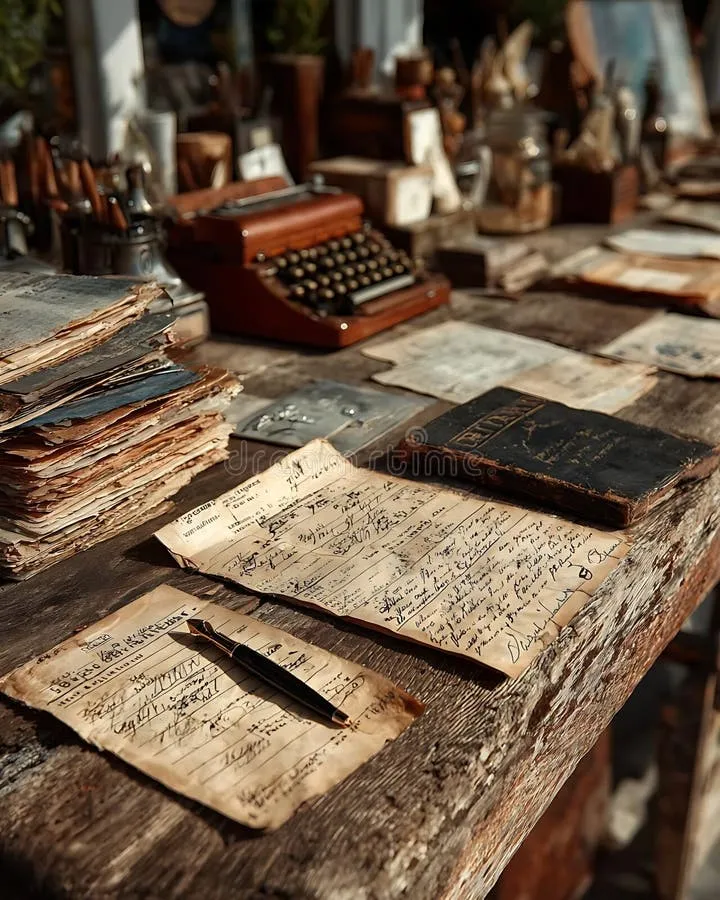
Have you ever driven through a quiet, sleeping neighborhood in the dead of night, only to notice one solitary window glowing amber against the darkness? While the rest of the world is shrouded in slumber, that single pane of glass remains stubbornly illuminated. This striking image is the foundation of a classic urban trope: The House With the Light Always On.
Whether it is a comforting beacon of safety or a chilling harbinger of the unexplained, this phenomenon has captured the human imagination for generations. In this deep dive, we will explore the origins of this compelling legend, analyze its psychological and symbolic underpinnings, and discuss how you can harness its narrative power in your own creative writing.
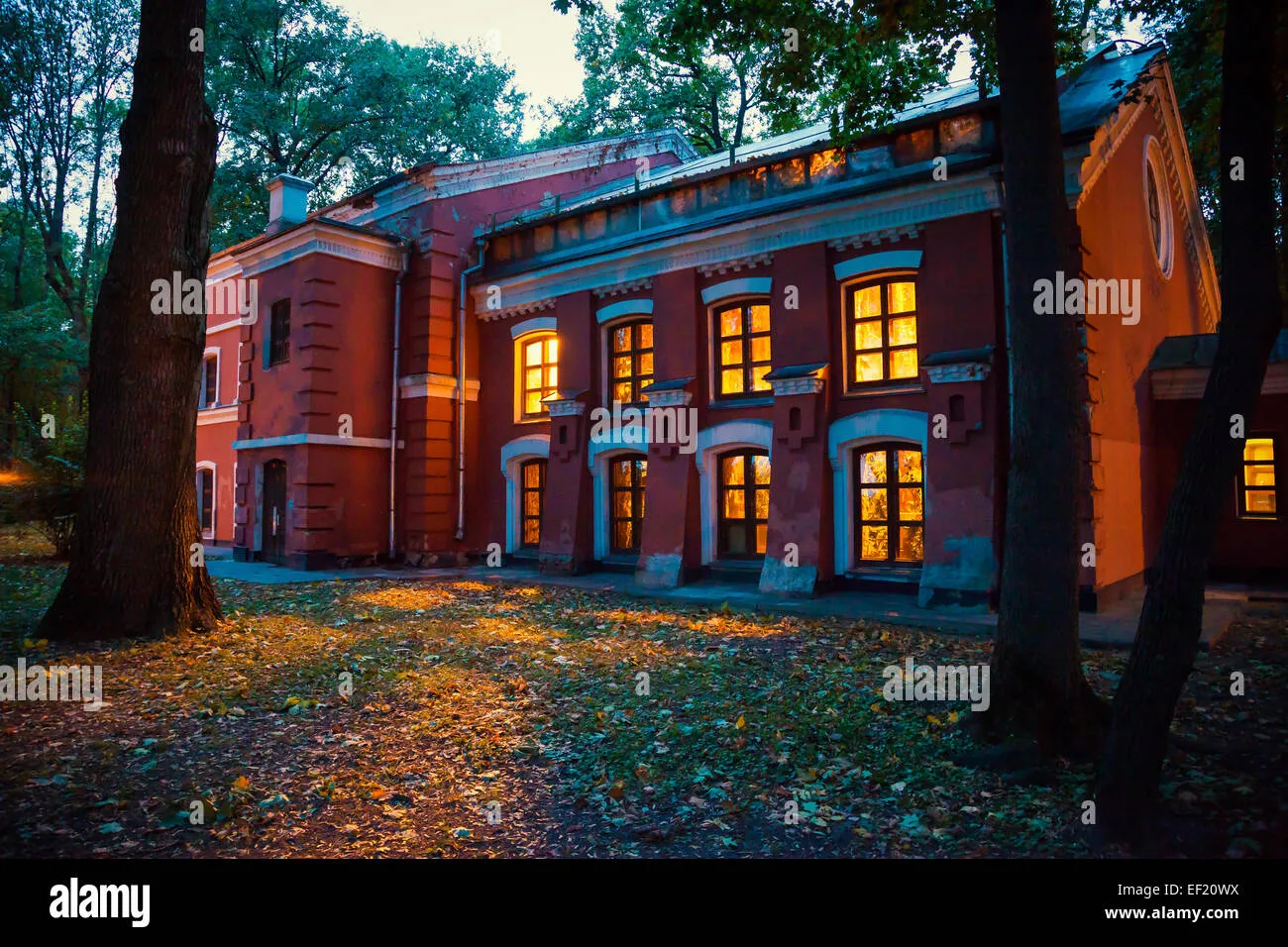
The Origins of the Legend: The House With the Light Always On
To understand the enduring appeal of The House With the Light Always On, we must first examine where this concept originates. It is not merely a modern internet creepypasta or a cliché horror movie setup; rather, it is a deeply rooted cultural motif that spans centuries, evolving from ancient maritime folklore to contemporary suburban myths.
Real-Life Inspirations Behind the Story
Throughout history, real-world occurrences have birthed stories of houses where the lights never go out. Before the advent of electricity, keeping a candle or an oil lamp burning in a window overnight was a common practice. In coastal communities, families of fishermen and sailors would leave a lamp burning in the window facing the sea. This served as a literal guidepost to help loved ones navigate their way back to shore through treacherous night waters and thick fog. When a ship was lost at sea, grieving relatives would sometimes keep the light burning for years, refusing to accept that their loved ones would never return.
In more modern history, the phenomenon of the constantly lit house is often linked to eccentric historical figures. A prime example is the famous Winchester Mystery House in California. Built by Sarah Winchester, the heir to the Winchester rifle fortune, the mansion was under continuous construction for decades. Lights were kept burning at all hours to appease—or confuse—the spirits Sarah believed were haunting her.
Similarly, in many small towns across the globe, local gossip often centers around a specific residence where a light remains on 24/7. Often, the reality is far more mundane than the myth: an elderly resident who fears the dark, a homeowner who went on an extended vacation and forgot to turn off a security light, or a faulty electrical circuit. Yet, the human mind naturally rejects these simple explanations in favor of something far more mysterious and dramatic.
Popular Adaptations in Literature and Film
The literary and cinematic worlds have long recognized the dramatic potential of a permanently lit window. One of the most famous examples in American literature is found in F. Scott Fitzgerald’s The Great Gatsby. The green light at the end of Daisy Buchanan’s dock, which burns constantly across the bay from Jay Gatsby’s mansion, serves as a haunting symbol of Gatsby’s unattainable dreams and his obsession with the past.
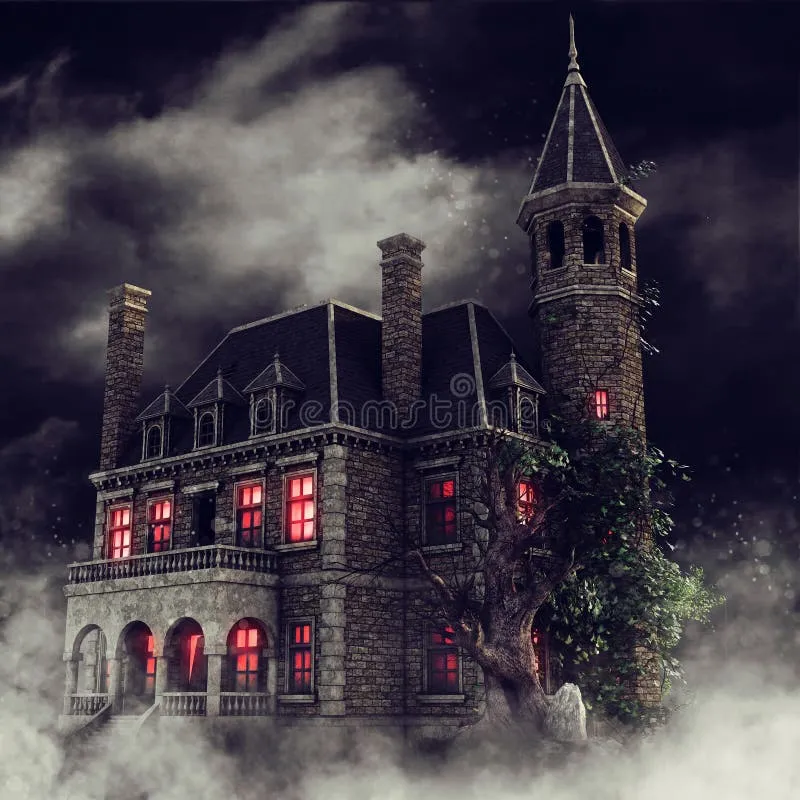
In the realm of suspense and horror, Alfred Hitchcock masterfully utilized this visual cue in his 1960 masterpiece, Psycho. The silhouette of Mrs. Bates through the backlit window of the ominous Bates home on the hill serves as a constant, chilling reminder of the secrets hidden within the house.
Similarly, in gothic literature such as Charlotte Brontë’s Jane Eyre, the mysterious third-story window of Thornfield Hall—where a light occasionally flickers—foreshadows the dark secret of Bertha Mason, the “madwoman in the attic.” These adaptations demonstrate that a simple light source can be transformed into a powerful narrative device, representing secrets, obsession, and the thin line between the domestic and the monstrous.
Psychological and Symbolic Meanings of the Constant Light
Why does the image of a constantly lit window evoke such strong emotions? The answer lies in the psychological duality of light itself. Depending on the context, a light in the dark can represent diametrically opposed concepts: hope and warmth, or isolation and danger.
A Beacon of Hope or a Sign of Danger
In psychological terms, light is traditionally associated with safety, clarity, and life. Historically, finding a light in the distance meant discovering shelter, warmth, and human companionship. In this context, The House With the Light Always On symbolizes:
- Sanctuary: A place that is always open, welcoming, and safe from the dangers of the night.
- Vigilance: A symbol of someone waiting, watching over the community, or keeping guard against external threats.
- Hope: A literal light in the darkness, suggesting that no matter how bleak the night gets, dawn—or rescue—is inevitable.
However, when a light remains on constantly without explanation, this positive symbolism can quickly warp into something sinister. An unblinking light in an otherwise dark landscape can feel unnatural. It suggests an inability to rest, an interruption of the natural cycle of day and night, or a persistent presence that refuses to be hidden. It changes from a welcoming beacon into an interrogation light—harsh, exposing, and inescapable.
| Symbolic Interpretation | Positive Connotation | Negative Connotation |
|---|---|---|
| The Light | Guidance, warmth, safety, hope | Surveillance, obsession, insomnia, danger |
| The Window | Connection to the outside world, transparency | Voyeurism, isolation, entrapment |
| The House | Home, family, community | The uncanny, secrets, haunted spaces |
The Fear of the Unknown and Insomnia Tropes
There is a distinct psychological discomfort associated with nighttime activity. When we see a light on in the middle of the night, our minds immediately begin to ask questions: Who is awake? What are they doing? Why can they not sleep?
This ties directly into the fear of the unknown. A closed curtain with a bright light behind it acts as a screen upon which we project our deepest anxieties. It suggests a hidden observer—someone who can look out into the dark while remaining obscured by the glare of their own light.
Furthermore, the trope of the insomniac or the obsessed researcher is deeply tied to this image. We imagine a character driven mad by a secret, working feverishly under the glow of a single desk lamp, or a grieving soul unable to find peace. The constant light becomes a physical manifestation of a restless mind, a brain that cannot turn off, trapped in a state of perpetual vigilance.
How to Explore This Theme in Modern Creative Writing
If you are a writer looking to incorporate the motif of The House With the Light Always On into your work, you have a rich palette of atmospheric tools at your disposal. This theme is highly versatile and can be adapted for horror, mystery, drama, or speculative fiction.
Building Suspense Around a Single Setting
To write a compelling story centered around a constantly lit house, you must treat the setting itself as a character. The house should have a presence that commands attention. Here are a few techniques to build suspense:
- Establish the Contrast: Emphasize the darkness of the surrounding environment. The darker the night, the more intense and unnatural the light will seem. Describe how the light cuts through fog, casts long, distorted shadows, or reflects off wet asphalt.
- Use Sensory Details: Do not rely solely on sight. What does the house sound like? Is there a low hum of electricity, the buzzing of insects drawn to the bulb, or a profound, unnatural silence?
- Introduce Pacing: Let the mystery build slowly. Have your protagonist observe the light over several days, weeks, or even years. Establish a routine, and then break it. What happens when the light, which has been on for a decade, suddenly goes out? Or conversely, what happens when a light suddenly turns on in a house that has been abandoned for fifty years?
Creating Compelling Characters Behind the Window
The mystery of the light is ultimately the mystery of the person who turned it on. To create a satisfying narrative, the character behind the window must live up to the suspense you have built. Consider these character archetypes:
- The Sentinel: A character who keeps the light on as a duty or a promise. Perhaps they are waiting for a lost child, a ship that sank years ago, or an otherworldly visitor. Their dedication is tragic, bordering on madness.
- The Captive: The light is not a choice, but a signal for help. Perhaps the occupant is trapped, and the constant light is their only way of communicating with the outside world without alerting their captor.
- The Unwitting Catalyst: The light is kept on by an automated system, a smart-home program gone rogue, or an old machine that has outlived its creators. This introduces elements of science fiction or existential dread—the light is on, but nobody is home.
By focusing on the human element behind the glowing glass, you elevate your story from a simple spooky tale into a profound exploration of human emotion, isolation, and connection.
Frequently Asked Questions About The House With the Light Always On
To conclude our exploration of this fascinating topic, let us address some of the most common questions surrounding this urban legend and literary trope.
Is the house with the light always on based on a true story?
While there is no single “true story” that defines this legend, the trope is heavily inspired by numerous real-world historical practices and local folklore. Historically, leaving a light on in a window was a common way to guide travelers or sailors home. Additionally, many towns have local legends about specific houses where eccentric residents kept lights burning constantly due to superstition, fear of the dark, or grief. Therefore, while the overarching urban legend is a work of collective folklore, it is firmly rooted in real human behaviors and historical realities.
What does a constantly lit window symbolize in literature?
In literature, a constantly lit window is a multi-layered symbol. Primarily, it represents vigilance and obsession, as seen in The Great Gatsby, where the green light symbolizes Gatsby’s relentless pursuit of his dreams. It can also symbolize isolation and the uncanny, representing a space that is physically close to the community but socially and psychologically isolated. Finally, it can serve as a symbol of hope and sanctuary, acting as a beacon of safety in a dark, chaotic world. The precise meaning depends heavily on the narrative context and the emotional tone established by the author.