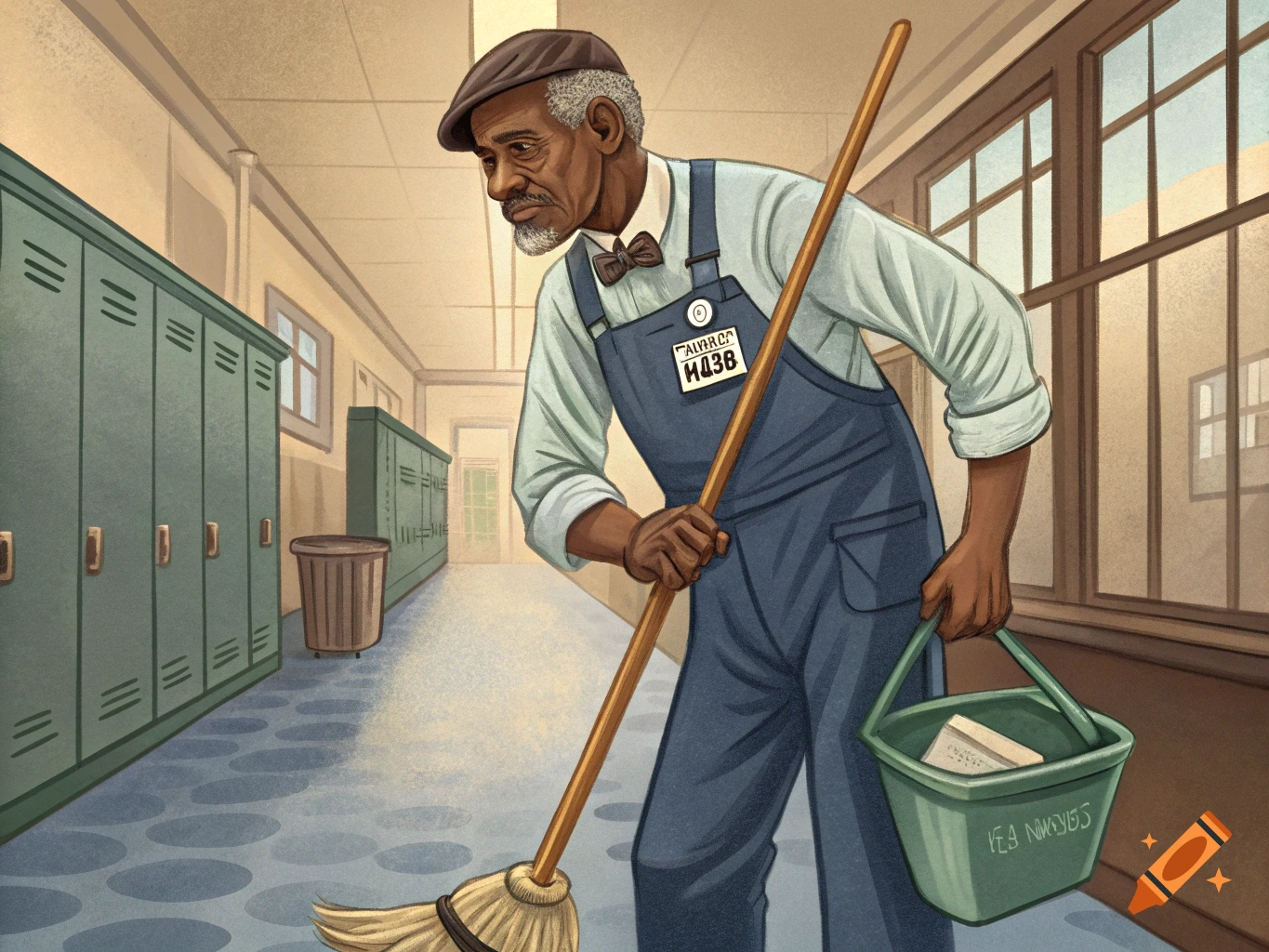
In our fast-paced, achievement-oriented world, we often find ourselves measuring life by its grandest milestones. We celebrate promotions, major life transitions, and significant financial achievements. Yet, when we quietly reflect on the moments that have left the deepest imprint on our souls, we often find something surprising. It is rarely the monumental events that stand out. Instead, it is the fleeting, seemingly minor moments of human warmth that linger in our memories for years, if not decades. A stranger holding a door when our hands were full, a colleague offering a quiet word of support during a stressful day, or a passerby offering a genuine smile when we felt utterly invisible.
Understanding Why the Smallest Acts of Kindness Stay With Us the Longest requires us to look beyond the surface of daily life and delve into the intersection of psychology, neuroscience, and human connection. These micro-moments of empathy possess a unique power to alter our emotional state, reshape our cognitive pathways, and restore our faith in humanity.
The Psychological Science Behind Why Tiny Gestures Stick
To comprehend why minor acts of benevolence exert such a disproportionate influence on our memories, we must first examine the inner workings of the human mind. Our brains are highly sophisticated sorting mechanisms, constantly deciding which pieces of information to discard and which to store for the long term. As it turns out, the brain has a natural affinity for emotional warmth, especially when it arrives unexpectedly.
The Brain Chemistry of Unexpected Kindness
From a neurological standpoint, receiving an unexpected act of kindness triggers a complex cascade of chemical reactions. When someone performs a thoughtful gesture for us, our brains immediately release a cocktail of feel-good neurotransmitters, primarily oxytocin, dopamine, and serotonin.
- Oxytocin: Often referred to as the “bonding hormone,” oxytocin plays a crucial role in social recognition and trust. When oxytocin is released, it reduces levels of cortisol (the primary stress hormone) and dilates blood vessels, which physically lowers blood pressure. This chemical shift induces a profound feeling of safety, connection, and emotional warmth.
- Dopamine: This neurotransmitter is closely linked to the brain’s reward system. When we experience something positive that we did not anticipate, dopamine levels spike. This sudden influx of dopamine acts as a neural highlighter, signaling to the brain that the event is highly significant and worth remembering.
- Serotonin: Responsible for regulating mood, social behavior, and sleep, serotonin helps stabilize our emotional baseline. The elevation of serotonin during a positive social interaction contributes to a sustained sense of well-being.
By understanding this intricate cocktail of neurochemicals, we begin to see Why the Smallest Acts of Kindness Stay With Us the Longest. These gestures literally alter our brain chemistry in real-time, engraving the experience deep within our neural pathways and making the memory highly resistant to fading.
How Memory Prioritizes Emotional Warmth
Cognitive psychology teaches us that our memories are not objective recordings of events; rather, they are deeply influenced by our emotional states during those events. The brain utilizes a specialized network, known as the salience network, to decide what information is vital for our survival and well-being.
Historically, our evolutionary survival depended on our ability to form strong social bonds. In ancestral times, being excluded from the tribe meant almost certain death. Therefore, our brains evolved to be highly sensitive to social cues that indicate acceptance, safety, and cooperation. A small act of kindness is a powerful signal of social safety.
Furthermore, the amygdala—the brain’s emotional processing center—works in close tandem with the hippocampus, which is responsible for forming long-term memories. When an event is accompanied by a strong wave of positive emotion, the amygdala signals the hippocampus to encode the memory with high fidelity. Because small acts of kindness often occur when we are feeling vulnerable, tired, or overwhelmed, the contrast between our baseline emotional state and the sudden warmth of the gesture makes the experience stand out. This contrast creates a vivid, lasting memory that we can recall even years later.

The Ripple Effect of Micro-Kindness on Our Lives
The impact of a small act of kindness is rarely confined to the two individuals directly involved. Instead, these gestures possess a unique dynamic energy that ripples outward, influencing social circles, workplaces, and entire communities.
How Small Acts Build Stronger Human Connections
In modern sociology, we frequently discuss the concept of “social capital”—the network of relationships, shared values, and understandings that facilitate cooperation within a society. Micro-kindnesses serve as the essential currency of this capital.
When we engage in small, positive interactions with others, we are actively building trust. These micro-connections act as bridges over the invisible divides that often separate us in daily life. Consider the following ways in which small acts strengthen social bonds:
- Validation of Humanity: In a highly digitalized world, it is easy to feel like just another face in the crowd. A small act of kindness—such as a cashier asking how your day is going and genuinely listening to the answer—validates your existence. It whispers, “I see you, and you matter.”
- Reduction of Social Friction: Daily life is filled with minor stressors and potential conflicts. Small gestures of politeness and consideration act as a lubricant, reducing friction and preventing minor misunderstandings from escalating into larger conflicts.
- Fostering a Sense of Belonging: When we receive kindness from strangers, it reinforces the belief that we live in a supportive, friendly world. This sense of belonging is fundamental to our psychological health and community stability.
The Power of Paying It Forward
One of the most remarkable aspects of micro-kindness is its contagious nature. This phenomenon, known in behavioral science as “upstream reciprocity,” occurs when a person who receives a kind act is inspired to perform a kind act for someone else.
Sociological research has demonstrated that cooperative behavior can spread through social networks up to three degrees of separation. This means that when you perform a small act of kindness for one person, your gesture can indirectly influence the behavior of individuals you have never met.
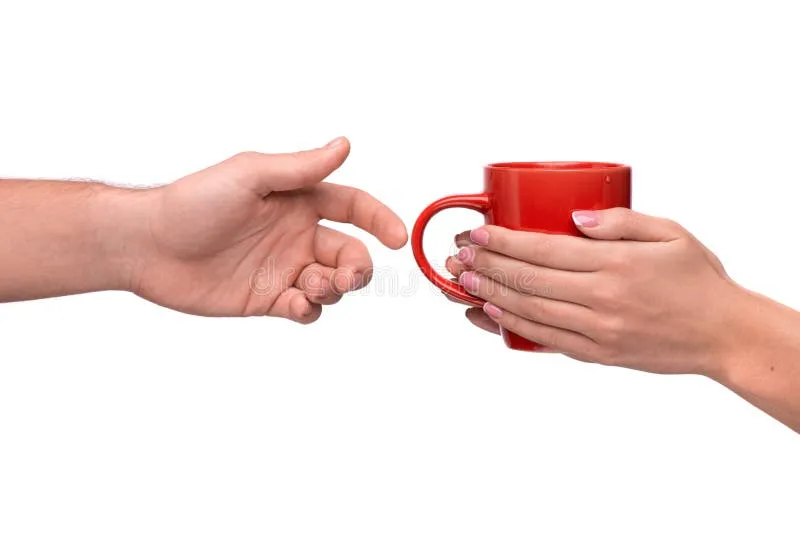
For example, if you buy a cup of coffee for the person behind you in line, that person is more likely to arrive at work in a positive mood. Consequently, they may offer a word of encouragement to a stressed colleague, who in turn might go home and be more patient with their children. This cascading effect illustrates Why the Smallest Acts of Kindness Stay With Us the Longest—they do not end with the initial recipient; they live on through a chain reaction of positive human behavior.

Simple Ways to Practice Daily Kindness
Knowing the profound impact of micro-kindness, the question becomes: how can we integrate these practices into our daily lives? Fortunately, cultivating a habit of kindness does not require significant financial resources or excessive amounts of time. It simply requires intentionality and a shift in perspective.
Easy Gestures That Make a Big Impact
To help you get started, here is a list of simple, actionable gestures that can make a substantial difference in someone’s day:
- Offer Genuine, Specific Compliments: Instead of a generic “good job,” offer specific praise. For example, tell a coworker, “I really admired how calmly you handled that difficult question in the meeting today.”
- Practice Active Listening: In conversations, put away your phone, maintain eye contact, and listen to understand rather than to reply. Giving someone your undivided attention is one of the rarest and most valuable gifts you can offer.
- Write a Note of Appreciation: Take five minutes to send an email, text, or handwritten note to someone who has made a positive impact on your life, letting them know you appreciate them.
- Hold the Door or Elevator: It is a classic gesture, but it remains a simple and effective way to show consideration for those around you.
- Express Gratitude to Service Workers: Take a moment to look service workers in the eye, use their names if they are wearing a nametag, and say a sincere “thank you.”
| Gesture | Time Required | Cost | Potential Impact |
|---|---|---|---|
| Specific Compliment | Under 1 minute | Free | Boosts self-esteem and confidence |
| Active Listening | 5 – 10 minutes | Free | Fosters deep connection and trust |
| Appreciation Note | 5 minutes | Free | Strengthens relationships and morale |
| Small Favor (e.g., holding door) | 10 seconds | Free | Eases physical or mental stress |
Cultivating a Mindset of Empathy
To make these gestures a natural part of our daily routine, we must actively cultivate an empathetic mindset. Empathy is not a fixed trait; rather, it is a psychological muscle that can be strengthened over time through deliberate practice.
One effective way to cultivate empathy is by practicing mindfulness and situational awareness. Throughout the day, try to shift your focus from your internal worries to the people around you. Observe their expressions, body language, and actions. Ask yourself: “What might this person be going through right now, and how can I make their path a little easier?”
Another powerful practice is the “loving-kindness meditation” (Metta). This practice involves silently directing well-wishes to yourself, your loved ones, acquaintances, and even difficult individuals. Research has shown that regular practice of this meditation increases positive emotions, reduces symptoms of depression, and enhances feelings of connection to others. By training our minds to seek out opportunities for connection, we become natural conduits for kindness.
Frequently Asked Questions (FAQ)
Why do small acts of kindness feel so significant?
Small acts of kindness feel incredibly significant because they often occur unexpectedly, creating a sharp contrast with the transactional nature of modern daily life. When someone goes out of their way to show us kindness without expecting anything in return, it directly addresses our core human need for belonging, safety, and validation. This emotional resonance triggers the release of oxytocin and dopamine, which signals the brain to prioritize and remember the experience.
Can micro-kindness improve our mental health?
Yes, scientific research consistently demonstrates that practicing micro-kindness has a profound positive impact on our mental health. Engaging in kind acts lowers levels of cortisol (the stress hormone) and increases the production of serotonin and endorphins. This phenomenon, often referred to as the “helper’s high,” helps reduce feelings of anxiety and depression, boosts self-esteem, and fosters a sense of purpose and community connection.
Ultimately, the true beauty of kindness lies in its accessibility. We do not need wealth, fame, or power to make a lasting difference in the world. By understanding Why the Smallest Acts of Kindness Stay With Us the Longest, we can appreciate the immense power of our everyday choices. Every small gesture of empathy, patience, and warmth we offer is a seed planted in the memory of another, capable of blossoming into a lifetime of connection and goodwill.