Human relationships are complex systems built on trust, shared memories, and mutual respect. Yet, even the most enduring bonds can be vulnerable to sudden fractures. In our personal and professional lives, we often believe that only major conflicts can destroy a relationship. However, experience shows that the slow accumulation of minor misunderstandings is frequently the true culprit behind fractured connections.
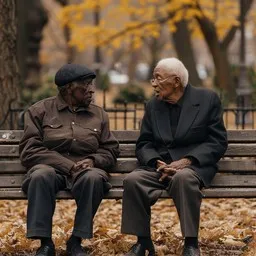
In this article, we will explore the profound impact of accountability through a personal and professional lens. We will examine how The Small Apology That Saved a Friendship serves as a case study for conflict resolution, demonstrating that restoring a bond does not always require grand gestures, but rather the humility to offer a simple, sincere apology.
The Anatomy of a Small Misunderstanding
To understand how relationships fracture, we must first analyze the mechanics of interpersonal conflict. Misunderstandings rarely occur in a vacuum. Instead, they are often the result of misaligned expectations, poor communication, or cognitive biases that distort how we perceive the actions of others.
When a friend fails to respond to an urgent message, or when a colleague overlooks our contribution to a project, our minds tend to fill the information gap with negative assumptions. Psychologists refer to this as the fundamental attribution error—our tendency to attribute others’ negative behavior to their character rather than their circumstances. Without intervention, these minor incidents can quickly escalate.
How Minor Slights Accumulate Over Time
A single minor slight is rarely enough to end a friendship. However, when these slights are left unaddressed, they accumulate like dust on a windowpane, gradually obscuring the warmth of the relationship. This accumulation process is often subtle, making it difficult to detect until significant damage has already occurred.
[Minor Slight 1: Unreturned Call] ──> [Minor Slight 2: Forgotten Birthday] ──> [Resentment Builds] ──> [Emotional Distance]
Consider the following common scenario in modern friendships:
- The Unreturned Call: You reach out during a stressful week, but your friend forgets to call back. You dismiss it, but a seed of doubt is planted.
- The Insensitive Joke: During a group dinner, your friend makes a lighthearted remark at your expense. Though intended as humor, it feels dismissive.
- The Cancelled Plan: A long-awaited meeting is rescheduled at the last minute due to a minor conflict.
Individually, each of these events is minor. However, collectively, they create a pattern of perceived neglect. When we do not address these moments, we begin to build emotional walls. We protect ourselves by investing less emotional energy into the relationship, creating a self-fulfilling prophecy where both parties gradually drift apart.
The Silent Treatment and Its Emotional Toll
When minor slights accumulate, individuals often resort to the silent treatment. Rather than addressing the issue directly, one or both friends may withdraw, hoping the other will notice their absence and initiate contact. This passive-aggressive dynamic can be highly damaging to interpersonal relationships.
The emotional toll of the silent treatment is significant. Research in social psychology indicates that social rejection and emotional distance activate the same neural pathways in the brain as physical pain. When a friend goes silent, it creates cognitive dissonance. We are left to wonder: Did I do something wrong? Do they no longer value my presence?
This silence often breeds resentment. Instead of resolving the issue, the lack of communication allows both parties to construct narratives that paint the other as the antagonist. The longer this silence persists, the wider the emotional divide becomes, making eventual reconciliation more difficult.
The Power of a Small Apology
If minor slights are the blocks that build emotional walls, then a sincere apology is the tool that dismantles them. Many people avoid apologizing because they believe it requires a dramatic admission of guilt or a humiliating surrender of pride. In reality, the most effective apologies are often quiet, direct, and simple.
An apology is not an admission that you are a flawed person; rather, it is an acknowledgment that your actions—regardless of your intent—caused pain to someone you care about. By prioritizing the relationship over the desire to be right, you create a safe space for healing to begin.
Why Sincerity Matters More Than Grand Gestures
In the aftermath of a conflict, it is common to feel the urge to make a grand gesture. We might buy expensive gifts, plan elaborate outings, or write long, defensive letters explaining our perspective. While these actions may come from a good place, they often serve to distract from the core issue rather than resolve it.
This is where the concept of The Small Apology That Saved a Friendship becomes highly relevant. A small, sincere apology is powerful because it addresses the emotional reality of the situation without distraction. It does not seek to buy forgiveness or shift blame; instead, it focuses entirely on validation.
| Aspect | Grand Gestures | Small, Sincere Apologies |
|---|---|---|
| Primary Focus | Distracting from the conflict | Validating the other person’s feelings |
| Emotional Tone | Often performative or defensive | Humble, direct, and vulnerable |
| Outcome | Temporary relief; unresolved tension | Long-term healing and restored trust |
Sincerity cannot be manufactured. It requires us to look past our own defenses and acknowledge the impact of our behavior. When we say, “I am sorry for how I spoke to you yesterday; it was disrespectful, and I value our relationship too much to let that stand,” we offer a clear, unambiguous message of care. This simple acknowledgment is often all that is needed to dissolve weeks of built-up tension.
Steps to Crafting a Genuine Apology
Crafting a genuine apology is a skill that requires self-awareness and emotional intelligence. To ensure your apology is well-received and effective, consider using the following structured framework:
- Acknowledge the Specific Action: Clearly state what you are apologizing for. Avoid vague generalizations like “I’m sorry for everything.” Instead, say, “I am sorry that I missed your call when you needed support.”
- Validate Their Feelings: Acknowledge the emotional impact of your actions. For example: “I understand that my absence made you feel unsupported and lonely.”
- Accept Responsibility: Own your behavior without offering excuses. Avoid using the word “but” (e.g., “I’m sorry, but I was very busy”). A simple statement like “I did not manage my time well, and there is no excuse for neglecting our communication” is much more effective.
- Offer a Solution or Amendment: State how you plan to prevent the issue from happening again. For example: “In the future, if I cannot talk, I will send a quick text to let you know when I will be free.”
- Request Forgiveness: Give the other person the space to respond in their own time. You might conclude with: “I value our friendship, and I hope we can move past this when you are ready.”

Rebuilding the Broken Trust
Saying “I’m sorry” is a crucial step, but it is only the beginning of the reconciliation process. Trust is built slowly over time, but it can be damaged in an instant. Once an apology has been offered and accepted, both parties must actively work to rebuild the foundation of their relationship.
Rebuilding trust requires patience, consistency, and a shared commitment to healthier communication. It is important to recognize that the relationship may not immediately return to its previous state, and that is a normal part of the healing process.
Moving Forward After Saying Sorry
After delivering The Small Apology That Saved a Friendship, the transition back to normalcy requires deliberate effort. It is common for both individuals to feel slightly uncomfortable or hesitant in the days following a conflict. To navigate this period successfully, consider the following strategies:
- Avoid “Walking on Eggshells”: While it is important to be mindful of each other’s feelings, overly cautious behavior can create new barriers. Aim for natural, honest interactions.
- Demonstrate Consistency: Align your subsequent actions with the promises made in your apology. If you promised to communicate more reliably, ensure you follow through.
- Give the Relationship Time to Heal: Do not expect immediate warmth. Allow your friend the time they need to process their emotions and rebuild their comfort level around you.
- Focus on Shared Positive Experiences: Reconnect by engaging in low-stress activities you both enjoy, such as grabbing a coffee, taking a walk, or discussing a shared hobby.
By focusing on small, positive interactions, you reinforce the sincerity of your apology and gradually rebuild the emotional safety that was temporarily lost.
Establishing Healthier Boundaries
One of the most valuable outcomes of resolving a conflict is the opportunity to establish healthier boundaries. Misunderstandings often arise because boundaries were either undefined or quietly crossed without feedback.
To establish healthier boundaries moving forward, consider implementing these communication practices:
- Use “I” Statements: When expressing concerns, focus on your own feelings rather than accusing the other person. For example, say, “I feel overwhelmed when plans change at the last minute,” instead of, “You always ruin our plans.”
- Clarify Expectations Early: Discuss your communication preferences and availability openly. Knowing each other’s limits helps prevent misunderstandings.
- Create a Space for Regular Check-ins: Periodically ask each other how the relationship is feeling. A simple question like, “Are we good?” can prevent minor frustrations from turning into larger issues.
Clear boundaries are not meant to keep people apart; rather, they serve as guidelines that allow both individuals to feel safe, respected, and valued within the friendship.
Frequently Asked Questions (FAQs)
How do you apologize when you feel you did nothing wrong?
Apologizing when you believe you did nothing wrong can be challenging, as it often feels like a compromise of your personal integrity. However, it helps to distinguish between your intentions and the impact of your actions. You may not have intended to cause harm, but if the other person is hurt, that pain is real.
In these situations, focus your apology on the impact rather than the action itself. You do not need to lie or admit to a false accusation. Instead, apologize for the misunderstanding or the distress caused. For example, you might say:
“I want to apologize for the misunderstanding yesterday. It was never my intention to upset you, and I am truly sorry that my words caused you stress. Our relationship is important to me, and I want to make sure we are on the same page.”
This approach validates the other person’s emotions while maintaining your honesty, shifting the focus from winning an argument to restoring the connection.
What if the other person does not accept your apology?
It is important to recognize that offering an apology does not guarantee immediate forgiveness. The other person has the right to process their feelings on their own timeline, and they may not be ready to accept your apology right away.
If your apology is rejected or met with silence, consider the following steps:
- Respect Their Space: Do not press for a response or demand forgiveness. Doing so can make the apology feel self-serving.
- Avoid Becoming Defensive: If they respond with anger, listen without interrupting or making excuses. Acknowledge their perspective, even if it is difficult to hear.
- Reflect on the Relationship: Use the time to consider if there are deeper, unresolved patterns of conflict that need to be addressed.
- Accept the Outcome with Grace: Sometimes, despite our best efforts, a relationship may need to transition to a different form, or end entirely. Accepting this reality with dignity is a key part of personal growth.
Ultimately, an apology is a gift of vulnerability that you offer to the other person. Once given, the outcome is out of your hands. By acting with humility and respect, you ensure that you have done your part to invite healing and reconciliation.